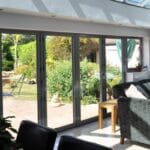
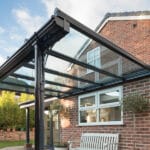
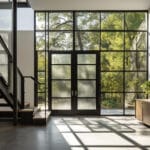
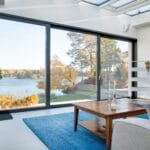
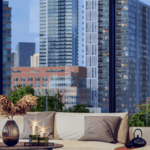
Indeed, a well-lit space creates a universal appeal. A glass conservatory extension, as an architectural masterpiece, serves this purpose. Unlike traditional conservatories, these extensions are meticulously engineered using advanced technology. They will ultimately enhance aesthetic outlook and maximize its functionality. That allows premium engineered glass with slim frames, along with refined design principles and a glazing system.
A glass conservatory extension, unlike a glass orangery, is a glass box-shaped structure. These enchanting walls-to-ceiling glass spaces perfectly blend beauty with comfort. With our premium design, innovative material, and structural aesthetics. These modern glass extensions will make your space elegantly versatile.
In this article, we will discuss the key aspects of a good glass conservatory extension and why it’s so effective. We will also explore their difference and the preferred types of homes they work best with. Additionally, we will discuss why Atelier remains a market leader in creating these extensions.
What makes them Different
A glass conservatory extension is often confused with a glass orangery. Both are modern glass extension types. The prior one is a full glass panel-based structure, while the former is an infusion of glass with a brick structure. Moreover, the glass conservatory extension has also evolved over the years. Traditional conservatories are not usable in extreme weather conditions. Now, with advanced technology fusions, these modern glass extensions can be used throughout the year.
These glass conservatory extensions are multi-purpose. You can create a garden room, a dedicated creative gallery, an exercise room, a glass kitchen extension, and an entertainment hub. The choices are limitless, depending on your needs.
What Defines a Quality Glass Conservatory Extension?
A glass conservatory extension is not just a box of glass, which is glued to the rear of a house. But rather a calculated architectural decision, constructed to visualize design clarity.
Openness, Lightness, and connectivity to the Outdoors.
The main purpose of a conservatory is to bring maximum light into your spaces. However, in modern architecture, it is not just about windows, but it is about total immersion. A strategic glass conservatory extension utilizes ultra-slim frames to make it more seamless.
It’s a perfect choice for a glass kitchen extension, so you can extend your space. This flawless connection makes the complete indoor-outdoor experience transformative.
Premium Materials and Structural Strength
A premium glass conservatory extension requires premium material, as it’s beyond just aesthetics. It’s about overall structural performance. The advancement of glass over the years is evident. Now, an ultra-clear and low-iron glass is utilized as it does not have a traditional green tint to it. The slim frames are also thermally broken to make the edges neat. Also, additional sealants are used to ensure more weather resistance and efficiency.
Besides, advanced insulation enables modern glass extensions to retain more heat in winters and stay cool in summer. These advancements allow them to stand tall both visually and structurally for prolonged periods. Thus, modern glass extensions prioritize performance as much as design.
Timeless design:
These structures are more focused on proportion, quality, and light instead of flashy short-term trends. Due to its neutral palette, balanced proportion, and visible material authenticity. These glass contemporary extensions remain elegant throughout the decades.
Core components of Glass Conservatory Extension:
- Aluminium Frame: The slim frames are powder-coated with RAL colours that have a lifespan of 30+ years.
- Solar control glass: The availability of solar control glass makes its extension glass roof reflect 60-70% of UV rays. This ultimately reduces glare and maintains the overall light level.
- Thermal breaks: The aluminium is thermally broken to make the edges extra clean. Polyamide sealants will prevent heat/cold transfer from frames.
- Integrated ventilation: The ventilation is also hidden in the glass structures. Remarkable right! Also, the doors can be sliding or bi-foldable to create airflow.
- Self-cleaning and Switch control: These contemporary glass extensions can be controlled via a switch or your devices, like a mobile or remote. It’s essential for an extension glass roof; the ceiling of these modern glass extensions. It makes their control easy, especially for a convertible extension glass roof. Also, their self-cleaning coating will make them clean and transparent throughout the year.
Our BDB Process:
Our process starts with an Initial Free consultation to discuss your vision, budget, and usage needs. Then, our professional team will assess your site and take all measurements. After which comes a design phase. We take pride in our bespoke (custom) design. After your green signal, we will select your preferred material and its cost. After all this comes an Installation, where our experts will install the glass conservatory extension. The structure will be handed over to you after the proper finishing touches.
Why choose us?
A glass conservatory extension is not just extra square footage, but also transforms how you perceive your home. With our decades of experience, we make this transformation journey a well-aligned one, without any hiccups for you. Our in-house design and build approach ensure precision with performance. Call Atelier BDB now to start your transformation, Journey!
FAQs
The cost depends on many factors like design perimeter, material selection, and added features. Atelier BDB offers customized quotes to ensure transparency and proper budgeting.
These glass conservatory extensions use solar control and thermal break technology, making them comfortable all year-round.
Most ground-floor conservatories under 30 sq meters do not require permission, but larger structures may need formal approval.
You can extend your existing kitchen or create a complete outdoor garden kitchen using these modern glass extensions.
The time frame depends on the complexity and approvals, but installation alone can take between 25 and 30 weeks.