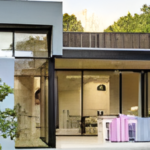
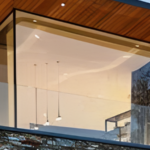
British homeowners are moving away from dark, cramped extensions. Now, Architectural Glass Systems are smart solutions that bring natural light into homes. These systems connect indoor and outdoor spaces. They look great and work well in all seasons, even with the UK’s unpredictable weather. They keep homes warm in winter and cool in summer. This makes them practical year-round additions.
The Benefits of Modern Glass Extensions
Architectural Glass Systems have come a long way from old-style conservatories. Today’s glass technology solves all these problems that once worried homeowners. Additionally, special coatings can keep heat inside during winter.
- Solar-control glass stops rooms getting too hot in summer.
- Self-cleaning surfaces need less maintenance.
- Strong glass can support itself without heavy frames.
- Better insulation means lower energy bills.
The result is bright, spacious extensions. They feel connected to your garden while staying comfortable all year.
Types of Glass Systems for Your Home
Different glass solutions work for different properties and needs. Here’s what’s available for your renovation.
Frameless Structural Glass Extensions
A structural glass extension uses thick glass panels that support their own weight. This means very little metal framework. You get clear views of your garden. It’s perfect for modern glass extensions where you want clean lines and maximum light. The glass acts as both the wall and the structure. It creates an almost invisible barrier between inside and outside.
Glass Box Extensions
Contemporary glass extensions often look like glass boxes attached to your home. These bold designs work well on both old and new properties. In a Victorian house, they create an interesting contrast. On a 1960s home, they provide a fresh, modern update.
Glass Roofing Solutions
Glass roofs have become very popular. They completely change how a room feels.
Extension Glass Roofs
An extension glass roof brings light from above. This makes spaces feel larger and more open. Modern Architectural Glass Systems for roofs include self-cleaning coatings that reduce maintenance. They have solar-control glass to prevent overheating. Thermal breaks provide energy efficiency. Toughened safety glass offers protection. Having a view of the sky makes rooms feel more connected to the outdoors. It also improves your mood.
Roof Lanterns
Roof lanterns are raised glass sections. They sit on top of your extension. They work brilliantly in glass orangery designs. Here, solid walls combine with glass panels. This creates elegant spaces with plenty of light.
Kitchen and Living Space Applications
Glass kitchen extensions are now one of the most popular renovation choices in the UK. It’s easy to see why.
Transforming Your Kitchen
Traditional kitchens often feel small and cut off from the rest of the house. Glass kitchen extensions solve this problem. They keep you connected to your garden while cooking. Parents can watch children playing outside. They create bright spaces that make cooking more enjoyable. Dinner parties can flow from indoors to outdoors. The natural light makes small kitchens feel much larger.
Living Room Extensions
Glass systems work great for living spaces too. Sliding or folding glass walls let you open your room completely to the garden in summer. Then you can close it up for cosy winter evenings.
Home Office Solutions
More people work from home now. Contemporary glass extensions make excellent offices. Natural light helps you focus. Garden views give your eyes a break from screens. Proper temperature control keeps you comfortable all day.
Traditional Meets Modern: The Glass Orangery
Glass orangery blends classic materials like brick and pillars with modern glass panels.. Architectural Glass Systems in orangeries create rooms that feel solid and permanent. Yet they’re still full of light. They offer more structure than conservatories but more light than traditional extensions.
Planning Your Glass Extension Project
Good planning is essential for a successful glass extension.
Architectural Glass Systems cost more than brick extensions. But they add more value to your property. Most glass extensions increase your home’s worth by more than their cost. You also get benefits that are hard to measure in money. The rooms become brighter, feel more spacious, and are generally more functional.
Here’s a comparison of different glass system features:
| Glass System Type | Best For | Key Benefits | Maintenance Level |
| Frameless Structural | Modern homes | Maximum light, minimal frames | Low |
| Glass Box Extension | Any property style | Bold design statement | Low |
| Glass Orangery | Period properties | Traditional elegance | Medium |
| Sliding Wall System | Indoor-outdoor living | Flexible opening | Medium |
Making Your Glass Extension Dream a Reality
Architectural Glass Systems are now mainstream choices. They genuinely improve how we live. The natural light, connection to nature, and sense of space make homes feel better to live in. You might want the clean look of contemporary glass extensions. Or you might prefer the classic style of a glass orangery. Either way, today’s technology can make it happen. With careful planning and the right experts, your glass extension will become the best part of your home.
FAQs
What is the meaning of architectural glass?
Architectural glass is high-performance glass made specifically for buildings. It is much more than standard window glass. Architectural Glass Systems are designed and treated for strength, safety, and energy savings. This glass can be toughened, laminated, or coated with special materials. It meets strict building standards for insulation and safety. Modern architectural glass is strong enough to support its own weight and act as a structural element in buildings and extensions.
What are the applications of architectural glass?
Architectural glass has many uses in home renovations and construction. Popular applications include glass kitchen extensions, and extension glass roof designs. You’ll also find it in sliding doors, bi-fold systems, and shower screens. Glass orangery designs use it for roof lanterns and wall panels. Popular for creating contemporary and modern glass extensions that connect homes to gardens. Other uses include glass floors, staircases, and internal partitions.
How is glass used in architecture?
Glass in architecture helps bring sunlight inside and links rooms visually. In Architectural Glass Systems, it serves multiple purposes. It can be a wall material that provides views and light or as roofing to bring light from above. Furthermore, these modern glass is engineered to control heat, lower noise levels, and enhance security, all while remaining transparent.
What is architectural glazing?
Architectural glazing is the process of installing glass into buildings using specialized systems and techniques. It refers to both the glass itself and the framework that holds it in place. Glazing systems for glass orangery and contemporary glass extensions include the glass panels, frames, seals, and fixing methods. Modern architectural glazing uses advanced materials like thermally broken aluminium or minimal steel frames. These systems ensure the glass is weathertight, energy-efficient, and structurally sound. Proper glazing is essential for creating comfortable, durable modern glass extensions that perform well in all weather conditions.
Are glass extensions energy-efficient?
Yes, modern systems use double or triple glazing with special coatings. These keep heat inside. In winter, glass extensions actually capture warmth from the sun. This can reduce your heating bills. Solar-control glass prevents overheating in summer. The key is getting the right specification for your property’s position and use.