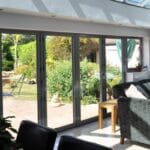
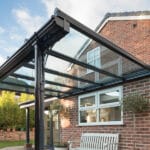
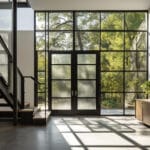
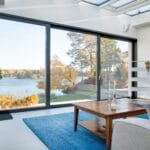
The challenge of modernizing a heritage home lies in the balance between preservation and innovation. In 2026, the architectural trend has shifted toward “transparent contrast” to bridge the gap between old and new. At Atelier BDB, we specialize in Glass Structure Extensions that act as a gateway between past craftsmanship and future technology. We use structural glass to expand period properties without obscuring their original character or charm.
A bespoke glass installation allows the original masonry to remain visible from every angle. This approach turns a solid brick wall into a stunning internal feature for your new living area. Whether you own a Victorian terrace or a Georgian manor, Glass Structure Extensions offer a way to gain space while celebrating history. We prioritize the “invisible” connection to ensure the heritage asset remains the focal point of the property.
The Aesthetic of Transparent Contrast in Heritage Design
Modern architects in 2026 prefer the “Crystal Box” approach for high-end residential projects. Glass Structure Extensions provide a clear visual break between the original building and the new addition. This transparency ensures that observers still respect the original silhouette of the house. Trying to match old brickwork often results in a poor imitation that dates quickly. Glass avoids this pitfall by providing a neutral, timeless material that complements any age of brick or stone.
Why Transparency Wins Over Masonry
The primary benefit of Glass Structure Extensions is the abundance of natural light. They allow sunlight to flood into areas that stayed dark for over a century due to small windows. We use clear glass beams and columns to make the new structure feel weightless and airy. It becomes a neutral gallery space that highlights the texture of original weathered stone. This design philosophy works perfectly for Grade II listed buildings where owners cannot change existing walls.
Comparison of Period Extension Styles
| Feature | Glass Conservatory | Glass Orangery | Structural Glass Box |
| Glazing Ratio | Over 75% glass | Less than 75% glass | 100% structural glass |
| Roof Type | Pitched glass roof | Flat roof with lantern | Flat structural glass |
| Primary Material | Thin aluminium frames | Brick pillars and glass | Frameless glass panels |
| Best For | Maximum garden views | Traditional elegance | Ultra-modern contrast |
Integrating High-Performance Glazing with Classic Architecture
The success of Glass Structure Extensions depends heavily on your choice of structural hardware. We often recommend Ultra Slim Aluminium Windows to keep the overall look delicate and refined. These frames provide the strength needed for large glass spans but remain nearly invisible to the naked eye. They respect the proportions of period homes while offering modern security features. By choosing slim profiles, you ensure the extension does not look “heavy” against the original building.
Creating Seamless Indoor-Outdoor Transitions
Many homeowners choose ultra slim bifold doors London residents favor for their space-saving design. These doors fold away completely to open the entire back of the house. They remove the physical barrier between the indoors and the outdoor patio area. When we pair them with Glass Structure Extensions, they create a true “pavilion” feel for summer entertaining. Even a small city garden feels like a private park with this open-plan setup.
Essential Engineering Features of Modern Structural Glass
- Thermal Efficiency: Advanced coatings keep the room warm during the coldest winters.
- Acoustic Insulation: Laminated glass reduces external street noise significantly for peace.
- Structural Strength: Specialized glass beams support heavy snow loads with ease.
- UV Protection: Invisible layers block 99% of harmful UV rays to protect furniture.
- Smart Tinting: Optional glass layers can darken automatically in intense sunlight.
Transforming Traditional Spaces into Modern Hubs
Most heritage renovations focus on the kitchen as the heart of the home. Our Glass Kitchen Extensions replace dark, cramped rear rooms with bright, social hubs for the family. We utilize a Glass Roof Extension to pull light deep into the floor plan of a Victorian house. This illuminates areas that haven’t seen direct sunlight since the 1800s. It changes the entire mood of the house by connecting it to the natural rhythm of the day.
The London Conservatory Trend
A glass conservatory extension in London offers a popular way to achieve this light-filled atmosphere. These modern structures use high-strength glass to create a minimalist look that adds value. They differ greatly from old-fashioned, draughty lean-tos of the 1990s. We use heat-reflective glass to ensure the room remains a functional living space every day of the year.
The Grandeur of the Modern Orangery
We also see rising demand for a glass orangery London style for larger homes. This design combines solid pillars with vast glass panels for a more permanent feel. It creates a room that feels both grand and airy at the same time. The solid roof sections allow you to install recessed spotlights or speakers easily for entertainment. It is the perfect blend of traditional architecture and modern glazing technology.
Planning and Conservation Considerations
- Reversibility: Planning officers prefer glass because workers can remove it easily in the future.
- Visual Impact: Glass Structure Extensions do not hide the architectural details of the heritage asset.
- Connectivity: A glass link connects two buildings without a heavy, intrusive bridge.
- Permitted Development: Many projects fall under standard rights, but listed buildings need consent.
- Heritage Harmony: Transparent materials are often seen as the least harmful way to expand history.
Technical Superiority and Year-Round Comfort
Older glass rooms often felt too hot in summer and too cold in winter. In 2026, advanced glazing technology has solved this issue through high-tech engineering. We use “thermal breaks” and low-emissivity coatings to regulate the temperature perfectly. This means your glass extension acts as a thermal buffer for the rest of the house.
Managing Solar Gain and Insulation
A Glass Roof Extension today offers the same energy efficiency as a solid tiled roof. Special coatings reflect the sun’s heat away during the peak of July. Meanwhile, argon gas between the panes traps warmth during the frost of January. Your new extension stays comfortable all year round, regardless of the British weather. This makes it a viable choice for a dining room or home office.
Professional Project Management and Installation
At Atelier BDB, we manage every step of the complex build process. We navigate strict planning laws for conservation areas on your behalf. We also coordinate the final crane lift for heavy glass beams with precision. Our team ensures your Glass Structure Extensions meet the highest possible standards for luxury and safety. We believe in delivering a finished product that stands the test of time.
FAQs
Will Glass Structure Extensions look too modern for my old house?
No, the goal is to provide a neutral, clear addition that lets the old house shine. The glass provides a clean backdrop for the original masonry work. The contrast usually makes original period features look even more impressive. By using Ultra Slim Aluminium Windows, we maintain a profile that respects the heritage look while adding modern functionality.
Are these glass structures safe and secure for my family?
Yes, we use toughened safety glass and multi-point locking systems on all entrances. These structures are just as secure as any traditional brick extension. You can also rely on ultra slim bifold doors London security standards for peace of mind. These include reinforced frames and anti-snap locks to prevent any unauthorized entry.
How do I keep the glass clean and clear throughout the year?
Most modern glass features a “self-cleaning” coating that stays active for years. This coating uses UV light to break down organic dirt on the surface. Rainwater then washes the dirt away naturally without leaving streaks. For a Glass Roof Extension, we recommend a professional wash only twice a year to keep it looking pristine. This low-maintenance approach is perfect for busy homeowners.
Is a glass orangery London style better for privacy than a conservatory?
Yes, an orangery uses brick pillars which provide more solid wall space for furniture. These pillars also block views from neighbors in crowded urban areas. It is the ideal choice for Glass Kitchen Extensions where you want light without feeling exposed. The solid perimeter roof also creates a cozy, internal feel for evening use.
Do I need planning permission for Glass Structure Extensions?
You will almost always need specific consent for listed buildings or conservation areas. However, planning departments often view glass extensions favorably because of their transparency. They preserve the visibility of the original building better than brick. We always recommend a pre-application discussion with your local council to confirm the specific rules for your street.